Marine Deapartment
<
>


This Talat Noi travel guide explores one of Bangkok's oldest Chinese communities, where historic shrines, riverside warehouses, family-run eateries and centuries of cultural heritage come together along the Chao Phraya River.
Talat Noi is one of Bangkok's oldest Chinese communities, with a history that stretches back more than 200 years.
For visitors looking for a Talat Noi travel guide, this neighborhood in Bangkok offers a fascinating mix of history, Chinese shrines, architecture, local food, street art and narrow lanes that still hint at its trading past. In the early Rattanakosin period, Bangkok grew into an important trading port in Southeast Asia. Many Chinese immigrants arrived by ship and settled along the river, and Talat Noi became one of the commercial areas in Bangkok. Businesses linked to shipping, charcoal trading, metalworking flourished here, helping shape the community for generations.
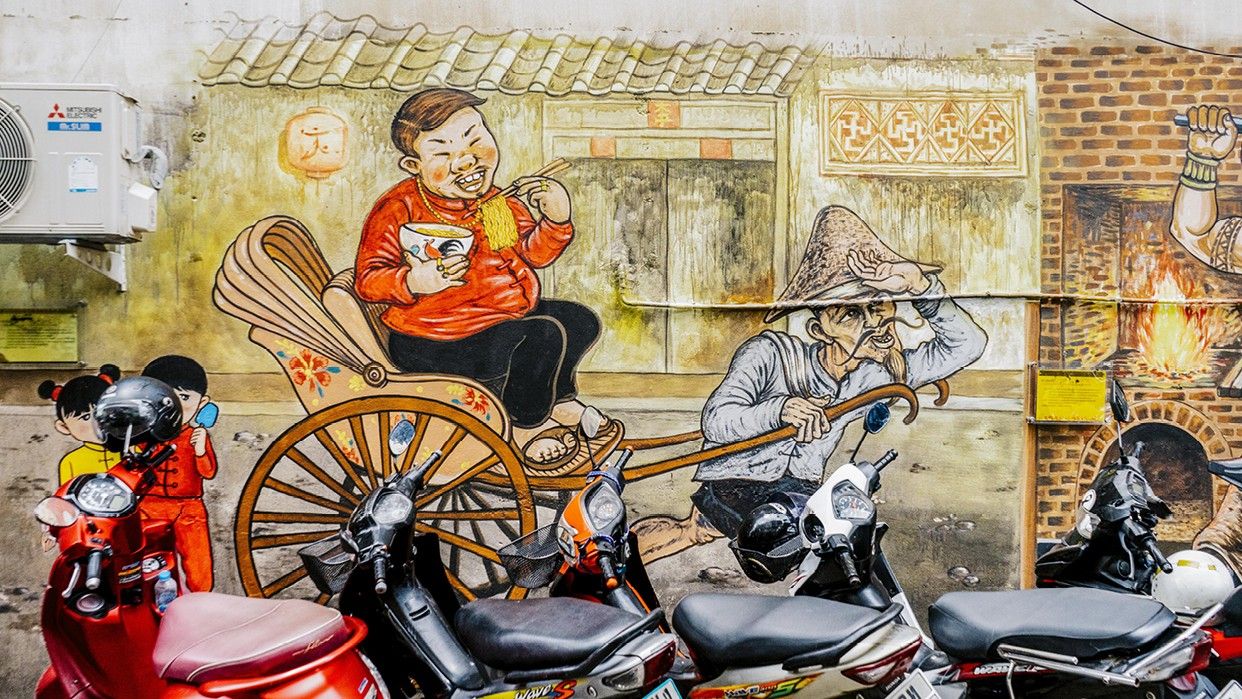
Over time, Chinese, Thai and Christian communities lived side by side, creating a neighborhood with a distinctive mix of cultures and traditions. Those influences can still be seen today in the area's places of worship, architecture, and long-established family businesses. For visitors looking for a Talat Noi travel guide, this blog will help you understand the history behind the community.
The Teochew Chinese community once called this area "Ta Lak Kia," a name that reflects the neighborhood's long connection to the river and the people who settled here.

To better understand the neighborhood, begin your journey at the Talat Noi Museum near Phanurangsi Pier. Set inside a restored machine workshop, the museum tells the story of the community through photographs, multimedia exhibits, and local stories passed down through generations.

The exhibitions trace Talat Noi's development from a riverside trading settlement to the well-known Siang Kong area, famous for its automotive and machinery businesses. Along the way, visitors can learn about the merchants, craftsmen, and families who helped shape the neighborhood over the years.

The museum also provides a useful background on many of Talat Noi's stories, including culture, tradition, and people. Today, it continues to serve as a community space, hosting exhibitions, workshops, and local events throughout the year.
At first glance, Talat Noi may appear to be a neighborhood of garages, workshops and old shopfronts. Spend a little more time exploring, however, and you'll discover the strong spiritual traditions that remain at the heart of the community.

One of the area's most important religious sites is Chow Sue Kong Shrine, also known as Wat Soon Leng Yee. Built in 1804 by members of the Hokkien Chinese community, the shrine is dedicated to Chow Sue Kong, a respected monk believed to offer protection and blessings. It remains an important gathering place, especially during the annual Vegetarian Festival.
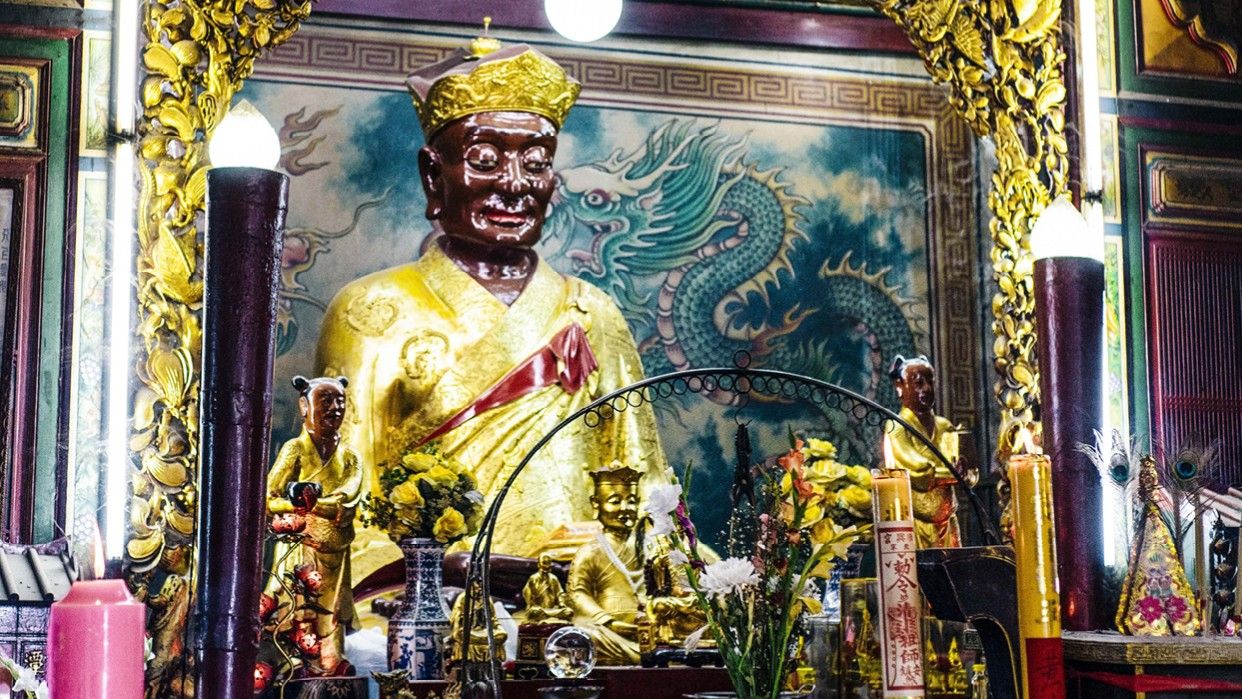
Another long-standing landmark is Rong Kuek Shrine, also known as Hon Wong Kung Shrine. More than 200 years old, it is dedicated to Hon Wong Kung, a guardian deity associated with protection and good fortune. Visitors often admire the shrine's detailed stucco work and traditional Chinese design, which have been carefully preserved over the years.

Not far away stands Kalawar Church, officially known as Holy Rosary Church. Built by Bangkok's Portuguese Catholic community, the church features elegant Gothic architecture and remains an active place of worship. Chinese-language Masses are still held here, reflecting another layer of Talat Noi's multicultural history.
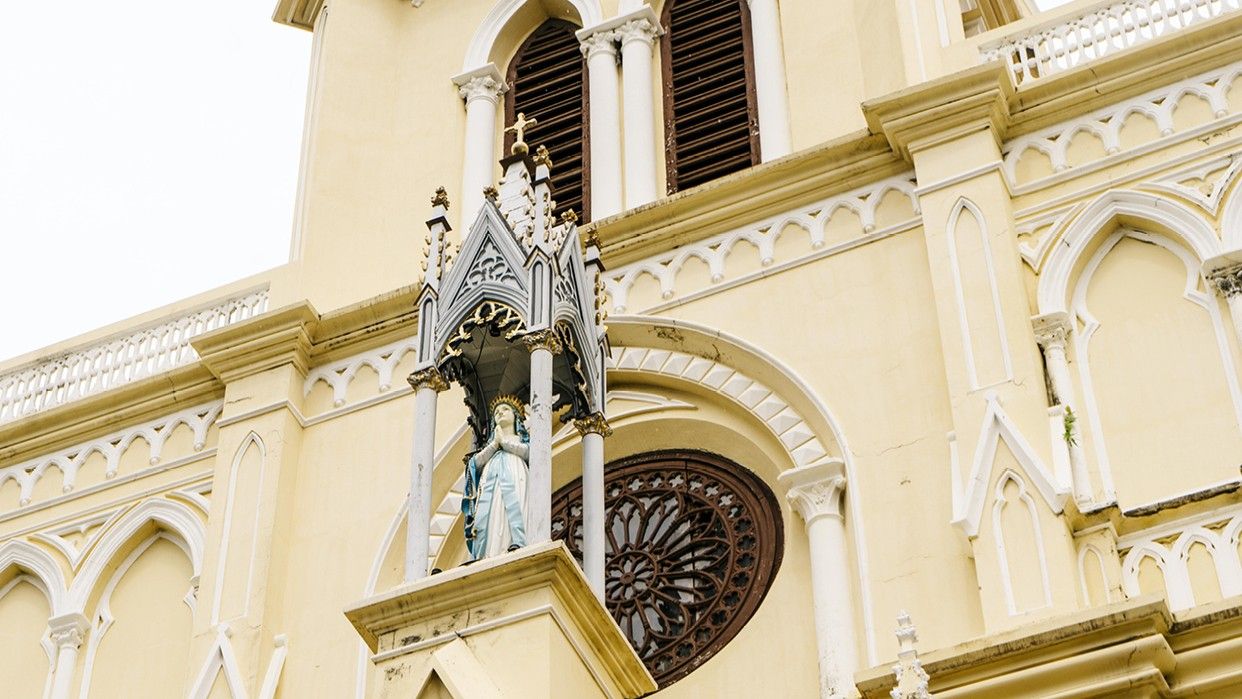
Together, these landmarks offer a glimpse into the different communities that have called Talat Noi home for generations.
Talat Noi's streets are filled with reminders of its past, and some of the neighborhood's most interesting stories can be found in its historic buildings.
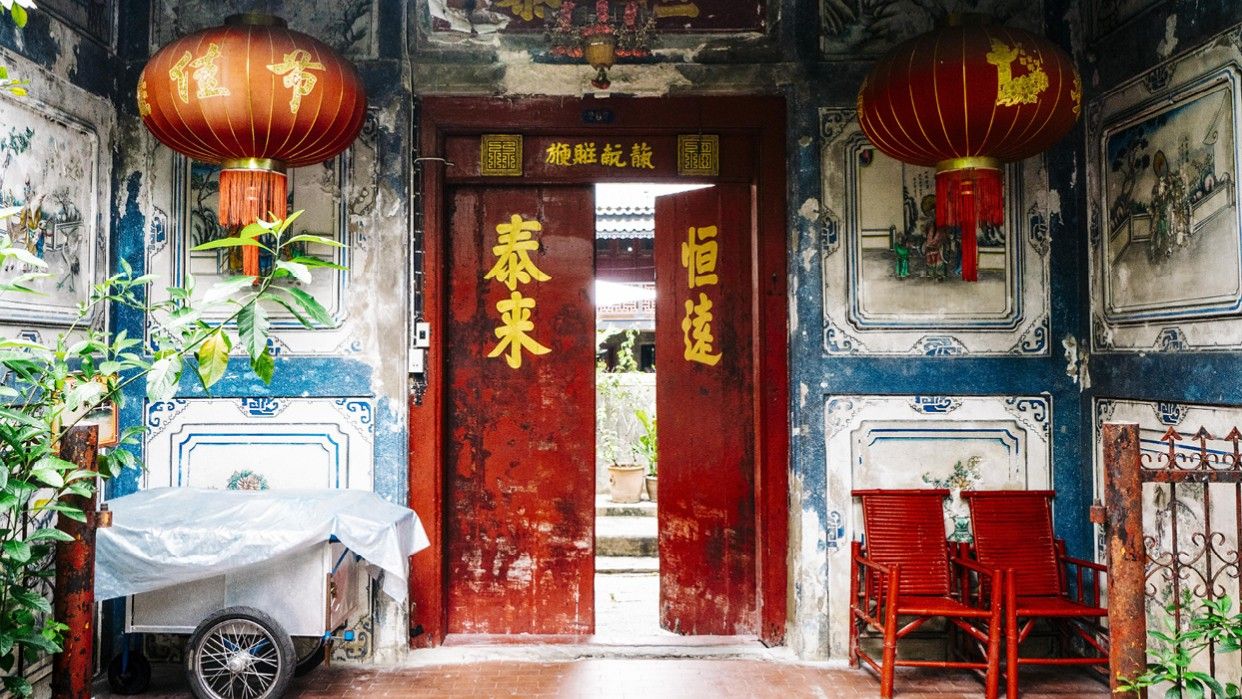
One of the best-known examples is Sow Heng Tai Mansion, a traditional Chinese courtyard house built during the early Rattanakosin period. The property belonged to Phra Aphai Wanich (Chao Sua Jard), a prominent Chinese merchant whose descendants continue to care for the house today.

Designed in the traditional Chinese Siheyuan style, the mansion surrounds a central courtyard while also incorporating elements suited to life in Thailand, including raised wooden floors and locally sourced materials. Intricate carvings featuring flowers, vines, and auspicious animals can still be seen throughout the property.
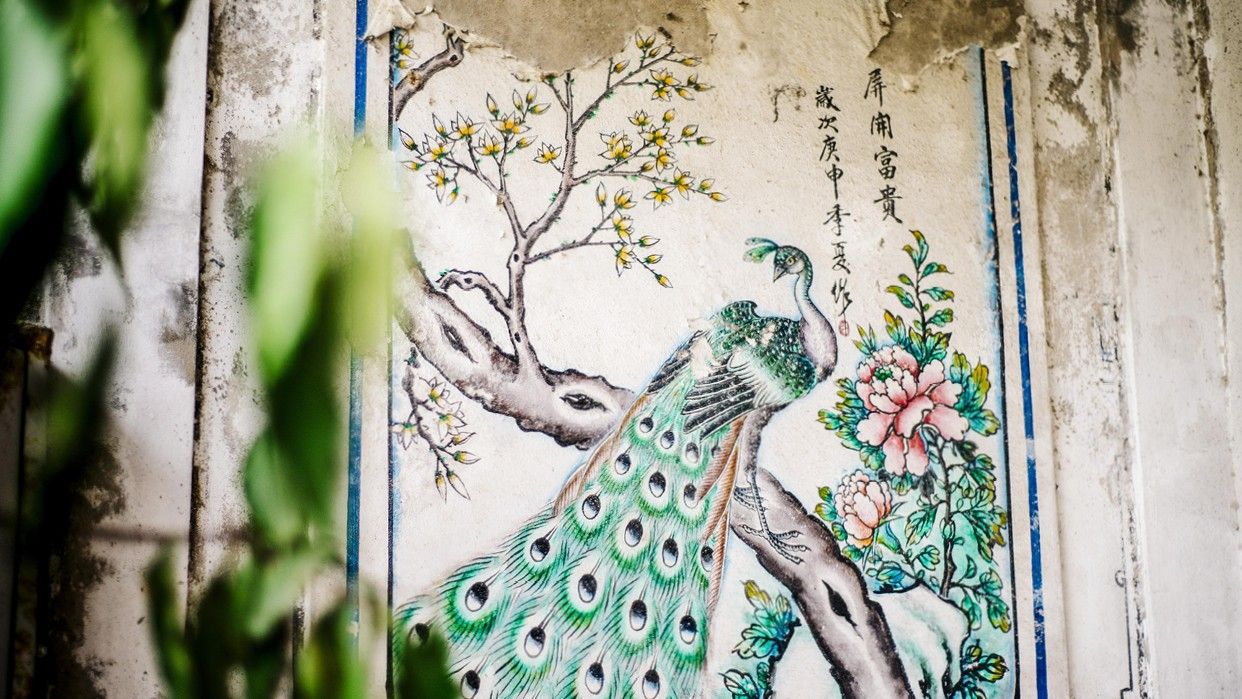
Today, parts of the mansion have been adapted for Diving school, while the family continues to preserve its historic character.

Along the river stands the Marine Department Building, a reminder of Bangkok's long relationship with trade and transportation. In the past, ships from China and other parts of Asia docked nearby before goods were distributed throughout the kingdom.
Another important landmark is the historic building of Siam Commercial Bank, Thailand's first commercial bank. Its presence reflects the economic growth and international trade that transformed Bangkok during the late nineteenth and early twentieth centuries.

Beyond its history and architecture, Talat Noi is also known for its food. One of the area's most famous eateries is Tue Kha Tang, known for its signature chilled pork leg. Unlike the braised pork leg commonly found in other parts of Thailand, this local specialty is served cold and has a distinctive texture and flavor. Other popular dishes include stir-fried water mimosa noodles, crispy fried taro, vermicelli stir-fries and fish cooked with ginger.

For a slower pace after exploring the neighborhood, many visitors head to PRAIA, a riverside café and restaurant overlooking the Chao Phraya River. the café serves Thai fusion dishes, a variety of ice creams, and stunning sunset views, making it an ideal spot to end the day.

Talat Noi is more than a historic neighborhood. It is a place where the stories of immigrants, merchants, sailors and local families continue to shape daily life.
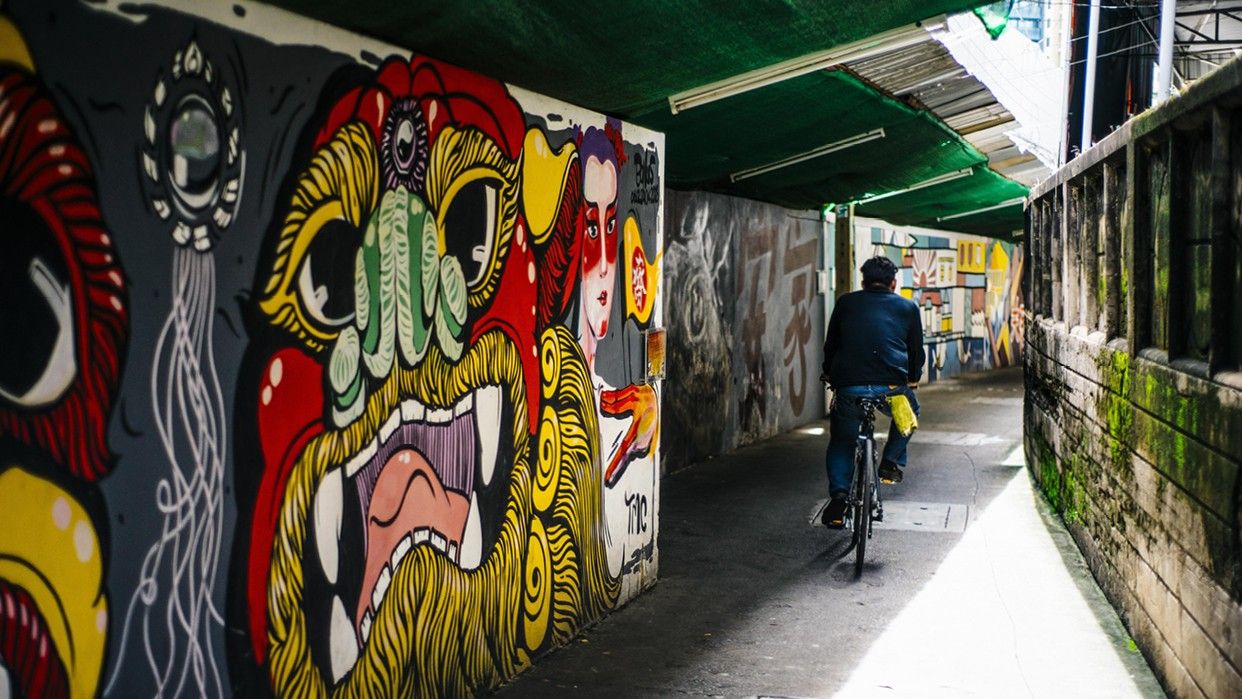
Walk through its lanes and you'll encounter traces of different cultures at almost every turn, from Chinese shrines and Catholic churches to old trading houses and family-run businesses that have been part of the community for generations. As Bangkok continues to transform, Talat Noi remains a place where history and tradition endure. Spend an afternoon exploring its streets, and you'll discover how this small riverside community helped shape the story of the city.


Talat Noi is just one example of how local history, culture, and daily life can create a meaningful travel experience. If you enjoy discovering authentic communities and the stories that shape them, download TAGTHAi app and visit ‘Explore section’. There, you'll find community stories, local insights, and hidden places that reveal a different side of Thailand. :)