Responsible Journeys: TEATA and Sustainable Tourism Thailand
Sustainable tourism in Thailand provides a way to travel responsibly while creating meaningful experiences. As tourism expands, preserving Thailand’s cultural and natural heritage is essential.
As tourism continues to grow, so does a global question: How can we explore beautiful destinations while protecting them for the future?
This is where TEATA or Thai Ecotourism and Adventure Travel Association come in. The organization is not a tour, a campaign, or a short-term trend. It is a national framework designed to guide Thailand toward a more balanced, responsible, and future-ready tourism industry, which benefits travelers, local communities, and the environment at the same time.

Developed under the direction of Tourism Authority of Thailand, TEATA helps define what sustainable tourism in Thailand truly means, beyond simple green labels. It provides clear standards, measurable actions, and real-world impact across the country.
What is TEATA ?
TEATA is shorten named of the Thai Ecotourism and Adventure Travel Association. It is a professional organization dedicated to advancing ecotourism, adventure travel, and responsible tourism practices throughout Thailand. Rather than promoting mass tourism, TEATA focuses on experiences that are environmentally friendly, culturally respectful, and beneficial to local communities.

TEATA works closely with tourism operators, guides, community enterprises, and sustainability experts to develop tourism models that reduce environmental impact while creating meaningful experiences for travelers. These efforts are aligned with international sustainability principles and Thailand’s national tourism strategy.
At the heart of TEATA’s work is the understanding that responsible travel in Thailand must be practical, measurable, and inclusive, not just a marketing concept.
Sustainable Tourism in Thailand
One of the most important things to understand about TEATA is that its approach to sustainability goes far beyond environmental protection.
TEATA promotes tourism through 3 interconnected dimensions of sustainability:

1. Environmental Sustainability
Reducing carbon emissions, conserving natural resources, protecting biodiversity, and promoting low-impact activities such as walking tours, cycling routes, and nature-based learning.
2. Social and Cultural Sustainability
Empowering local communities, respecting traditions, supporting fair employment, and ensuring tourism strengthens, not replaces, but local identity.
3. Economic and Management Sustainability
Encouraging transparent business practices, long-term financial stability, and fair income distribution so tourism benefits remain within communities.
This balanced framework is essential to the future of sustainable tourism in Thailand.
Not about Environment & Nature
Currently, travelers are increasingly aware of their travel footprint. Many tourists want to support destinations rather than exploit them. TEATA provides a clear pathway for travelers who care about sustainability but still want authentic and enjoyable experiences.

Choosing TEATA-supported tourism means:
- Traveling with lower environmental impact
- Supporting local businesses and communities
- Preserving cultural heritage
- Encouraging ethical tourism practices
Responsible Travel in Thailand
For international visitors, TEATA acts as a trusted guide, helping them discover experiences that are both meaningful and responsible. And, here are samples trip you can join.
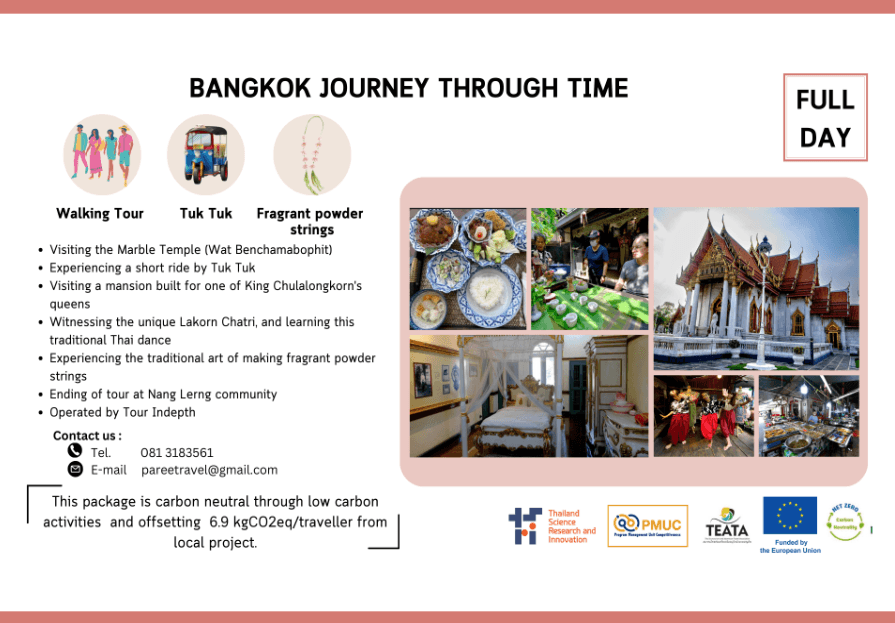
Central Thailand: Under TEATA, tourism in this region emphasizes low-impact cultural and community-based experiences. Visitors can explore organic farms, orchard villages, river-based lifestyles, and historic towns while minimizing carbon emissions.
Most activities often include slow travel, local food experiences, and hands-on learning with community hosts.
This region demonstrates how sustainable tourism in Thailand can exist even near major urban centers.
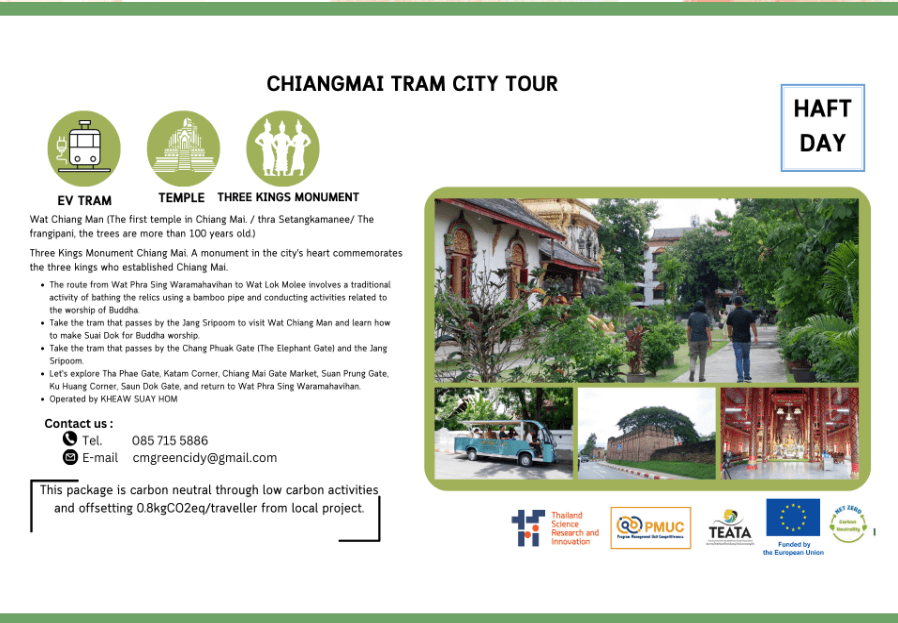
Northern Thailand: This region is known for mountains, forests, and Lanna heritage. TEATA supports tourism that respects ecosystems and local traditions.
Experiences often focus on:
- Responsible trekking
- Community-based homestays
- Cultural workshops
- Wellness and mindfulness travel
By limiting environmental impact and encouraging cultural respect, TEATA helps ensure that northern Thailand remains a place of beauty and spiritual depth for generations to come.
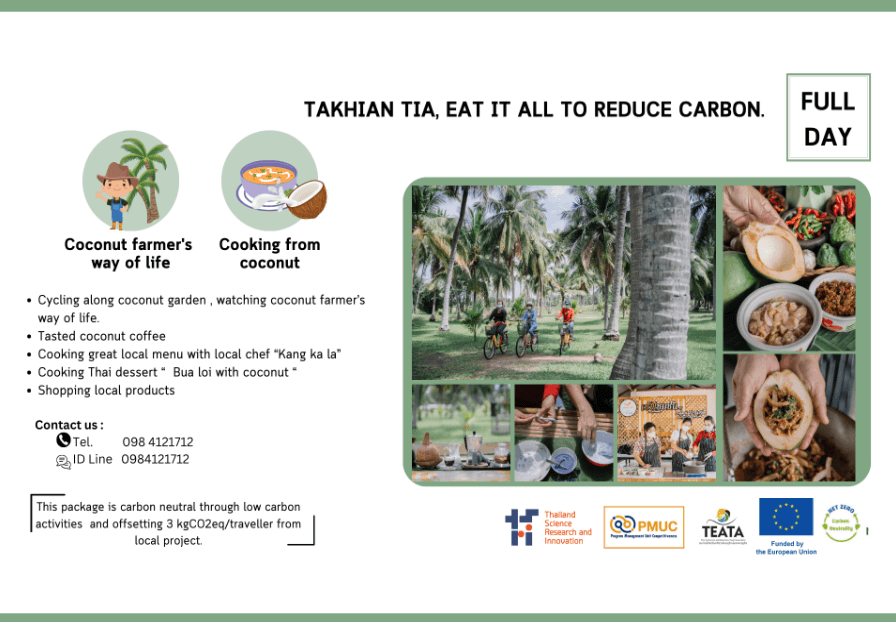
Eastern Thailand: While famous for coastal destinations, this region also offers forests, fruit farms, and rural communities. TEATA encourages travelers to explore lesser-known areas through low-carbon activities such as cycling, local food trails, and village experiences. This approach reduces pressure on overcrowded destinations and spreads tourism income more fairly which is an important part of responsible travel in Thailand.
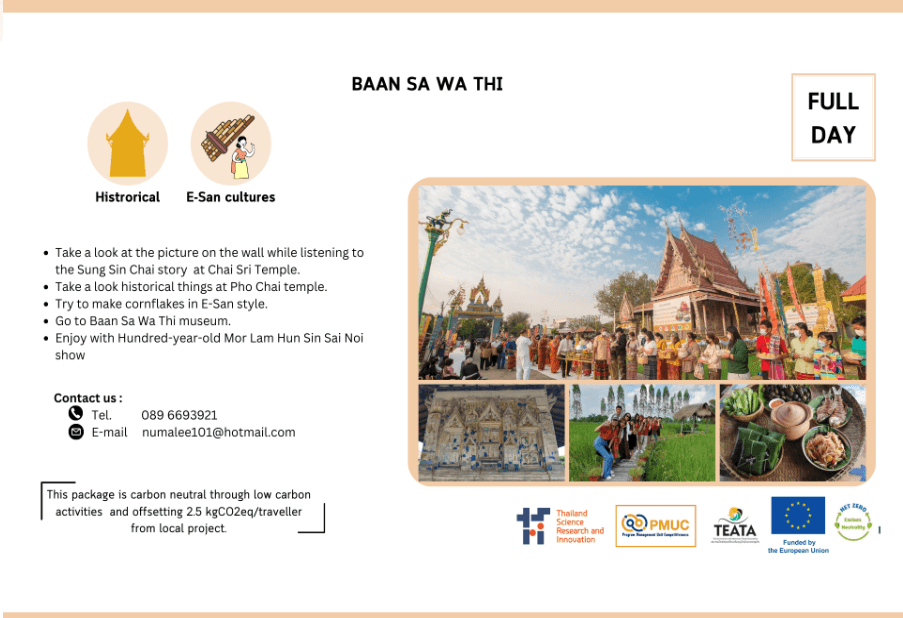
Northeastern Thailand (Isan): This region rich in tradition, history, and local wisdom. So, supporting tourism here highlights cultural learning, traditional crafts, spiritual sites, and regional cuisine.
Most tourism activities are designed to be respectful, educational, and community-led. Travelers are invited not just to visit, but to understand and connect with local ways of life.
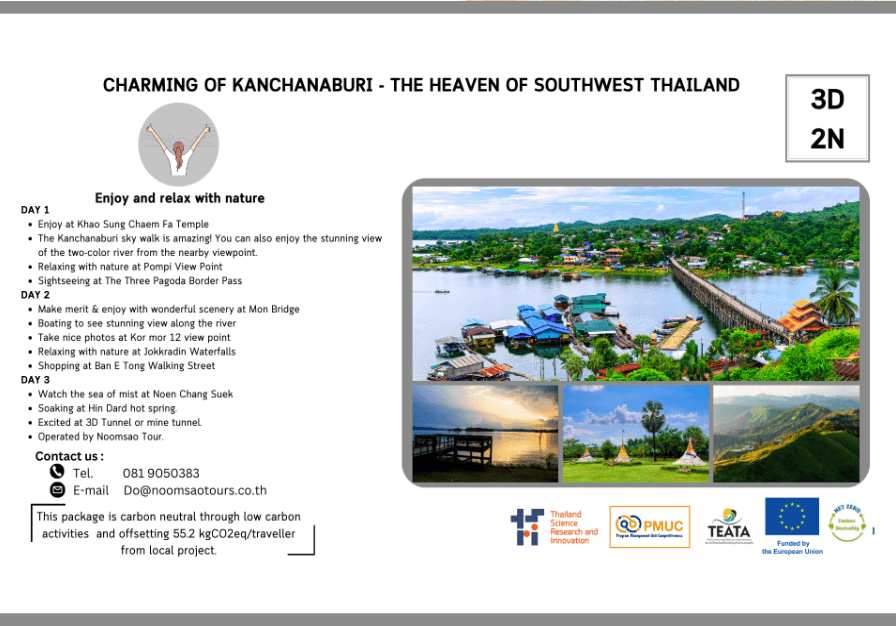
Western Thailand: This is home to waterfalls, national parks, and historic towns. Under TEATA, tourism focuses on conservation, controlled visitor numbers, and nature-based experiences that prioritize education over exploitation. Travelers can enjoy outdoor adventures while contributing to conservation and community development.
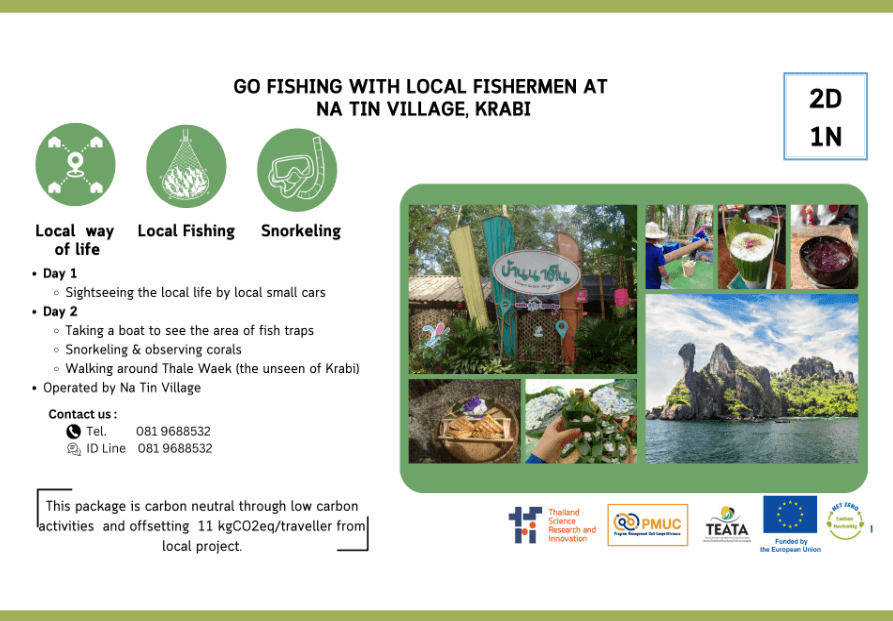
Southern Thailand: Protecting Paradise
Southern Thailand’s seas and coastlines are among the most sensitive ecosystems in the country. TEATA supports marine-friendly tourism, community-based fishing experiences, and low-impact coastal activities.
This ensures that snorkeling, island visits, and seaside travel help preserve marine life rather than harm it.
Moreover, a key part of TEATA’s implementation is Low Carbon and Carbon Neutral Tourism. This includes:
- Reducing emissions from transportation and activities
- Choosing local supply chains
- Encouraging longer stays over frequent short trips
- Supporting carbon offset projects
For travelers, this means enjoying richer experiences with a lighter footprint, traveling slower, deeper, and more thoughtfully. :)
Support Green Tourism in Thailand
If you love nature, culture, and meaningful travel, TEATA gives you the chance to experience Thailand in a deeper way. It allows you to travel with confidence, knowing your journey supports conservation, communities, and responsible businesses.
To discover TEATA-supported experiences, responsible routes, and inspiring destinations across Thailand, download TAGTHAi app that provides travel insights and sustainable tourism options. We will help you explore Thailand more deeply, safely, and responsibly.